Your cart
Your cart is empty


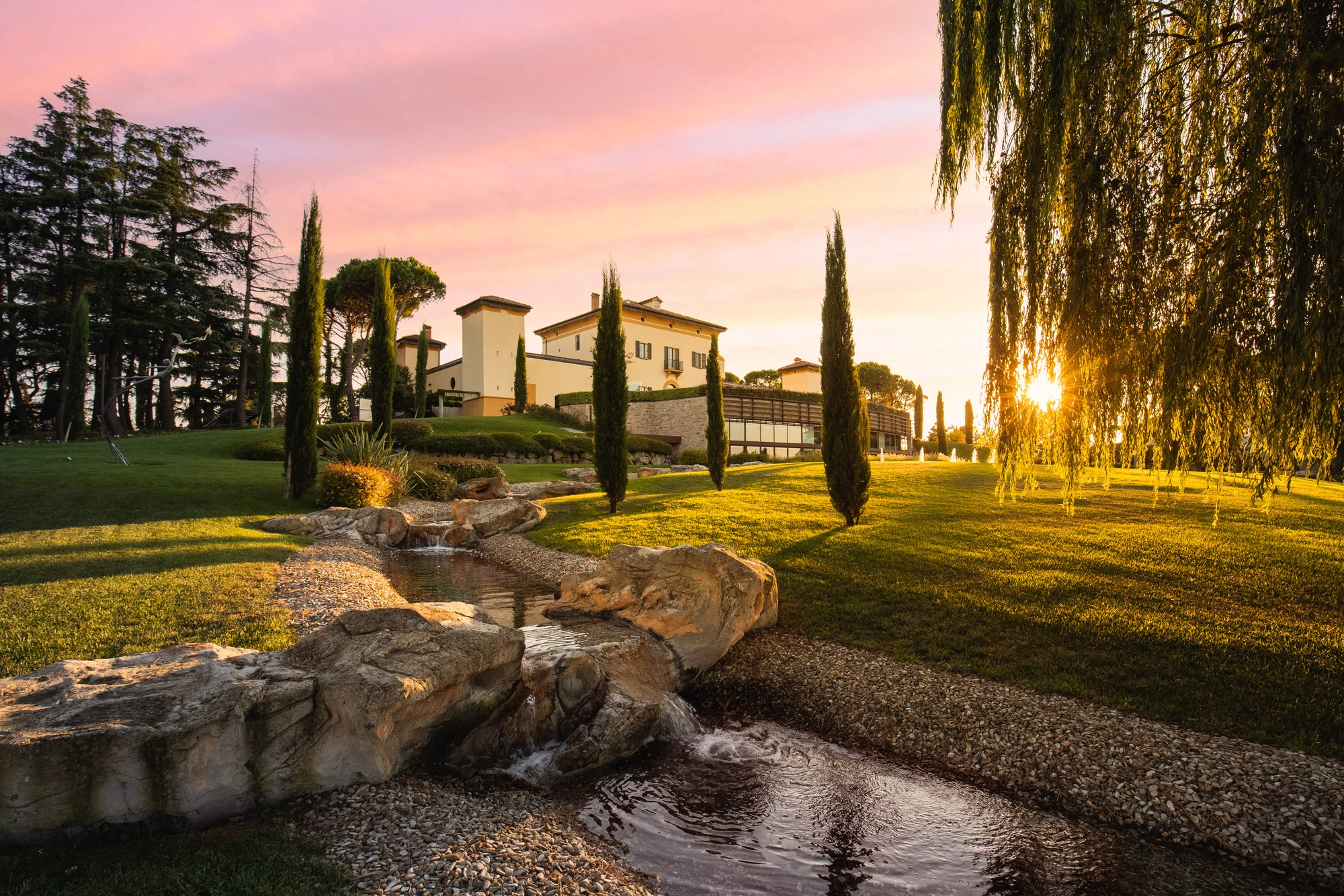
Every year, the grape harvest is the moment the whole season in the vineyard has been building toward. At Agrivar, the agricultural estate of Palazzo di Varignana, the 2026 harvest began in the last week of July and wrapped up around the start of September, bringing in six grapes that become the wines of our estate in Emilia-Romagna.
Here is how the harvest went, how we care for the fruit, and how guests joined us in the vineyard.
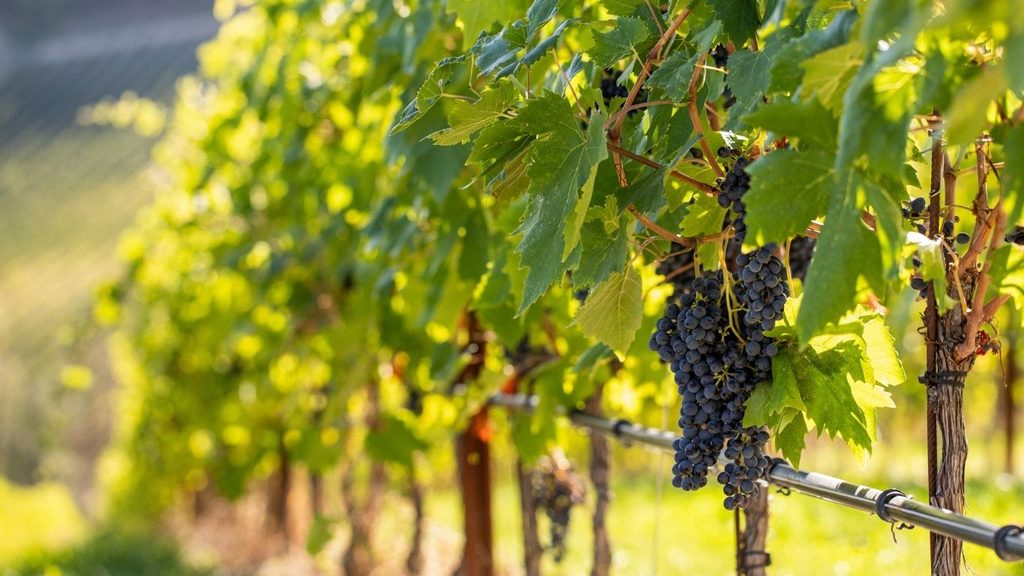
The Italian grape harvest usually runs from late August through October, depending on the region, the grape variety, and the weather that year. In Emilia-Romagna, September is traditionally the heart of the season. Grapes for sparkling wines are often picked first, to keep their natural freshness. In 2026, our harvest began in the last week of July, earlier than many visitors expect.
Summer 2026 was exceptional. Italy’s summer was the hottest since at least 1950, ahead of the famous summer of 2003. In a season like this, grapes ripen faster, so timing and attention to detail matter even more.
That is where our team’s experience shows. For our Albana, for example, the grapes are picked at full ripeness in the coolest hours of the day, which helps protect their freshness and aromas. Across the estate, the priority is the same: bring the best possible fruit to the cellar in the best possible condition.
At Agrivar, Agricultare estate of Palazzo di Varignana, we harvest Pinot Nero, Chardonnay, Pinot Bianco, Albana, Sangiovese, and Malbo Gentile. Together they allow us to make a range of styles, from still wines to sparkling wines made with the traditional method.
Most of our grapes are picked by machine. It is efficient, and it gets the fruit from the vineyard to the cellar quickly, while it is still fresh.
The exception is Malbo Gentile, which is picked entirely by hand. It is a rare native grape of Emilia-Romagna, and we make only about 2,000 bottles of it each year. At that scale, every bunch gets individual attention.
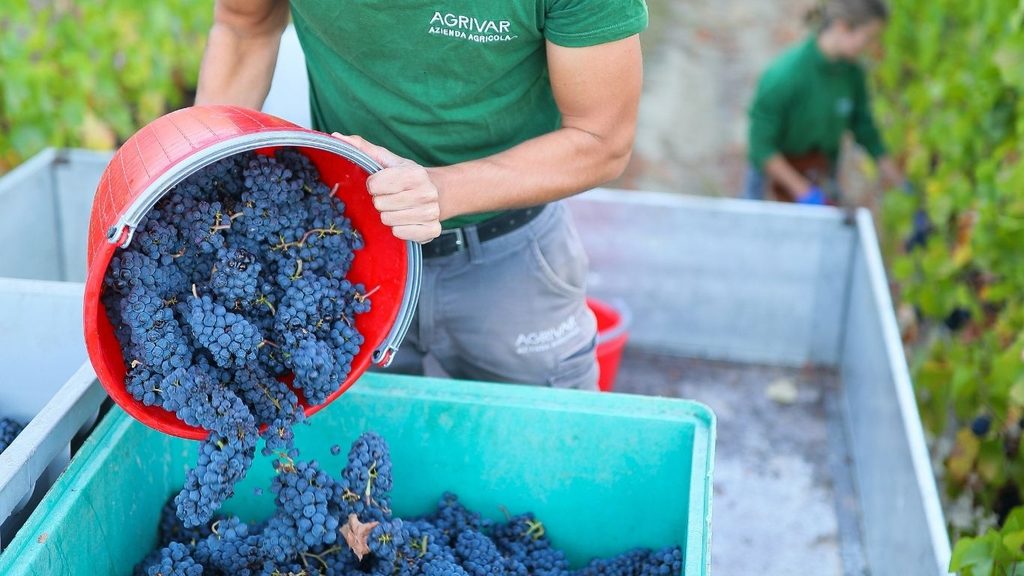
Once the grapes reach the cellar, each wine follows its own path. In simple terms:
A few examples from our cellar:
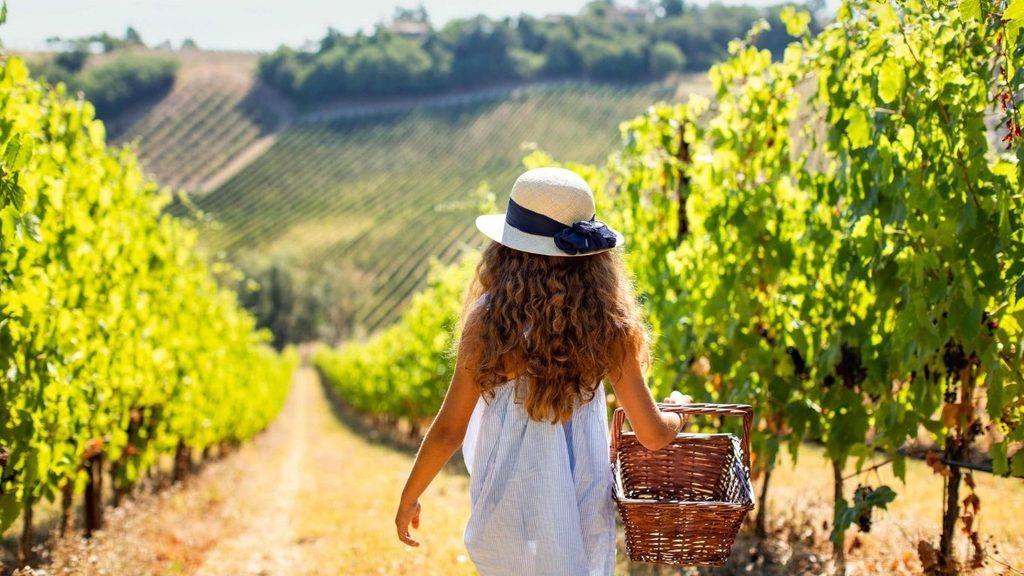
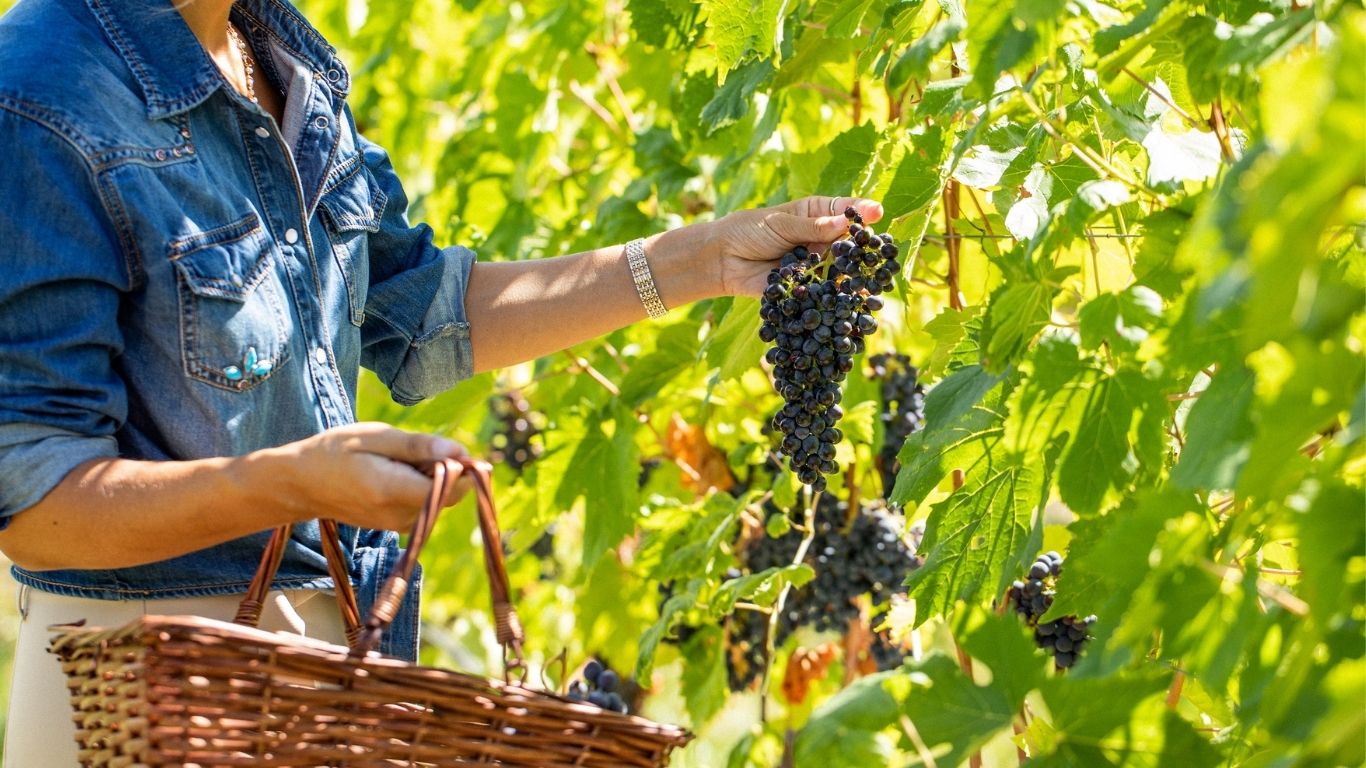
Looking for an experience that goes beyond the tasting room? This September, we invited guests to harvest grapes by hand in our vineyard with our Cantina Aperta harvest special. Couples, friends, and families came together, clippers in hand, to pick their own grapes and walk the rows where the wine begins.
Afterward, everyone gathered for a tasting of local cured meats and cheeses with a glass of wine, and fresh grape juice for the youngest harvesters. It was a slow, simple day outdoors, and a way to feel connected to the land that is hard to get from a bottle alone.
If you would like to join us next year, follow us on Instagram @palazzodivarignanafood o or sign up for our newsletter.
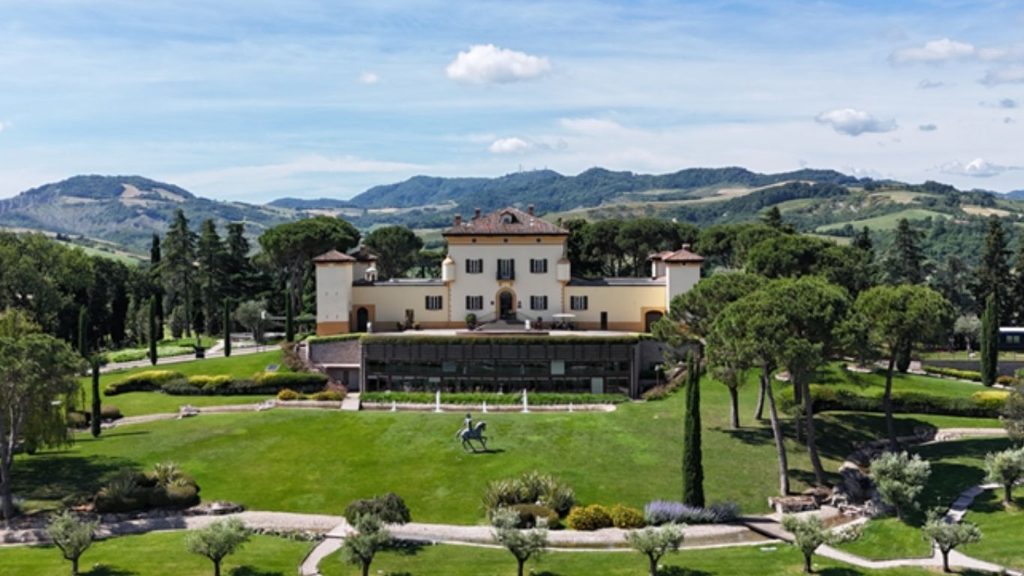
Looking for a wine tasting in during autumn or winter? Agrivar offers wine and extra virgin olive oil tastings where you can discover our products and explore the flavours of the area.