Dein Warenkorb
Dein Warenkorb ist leer


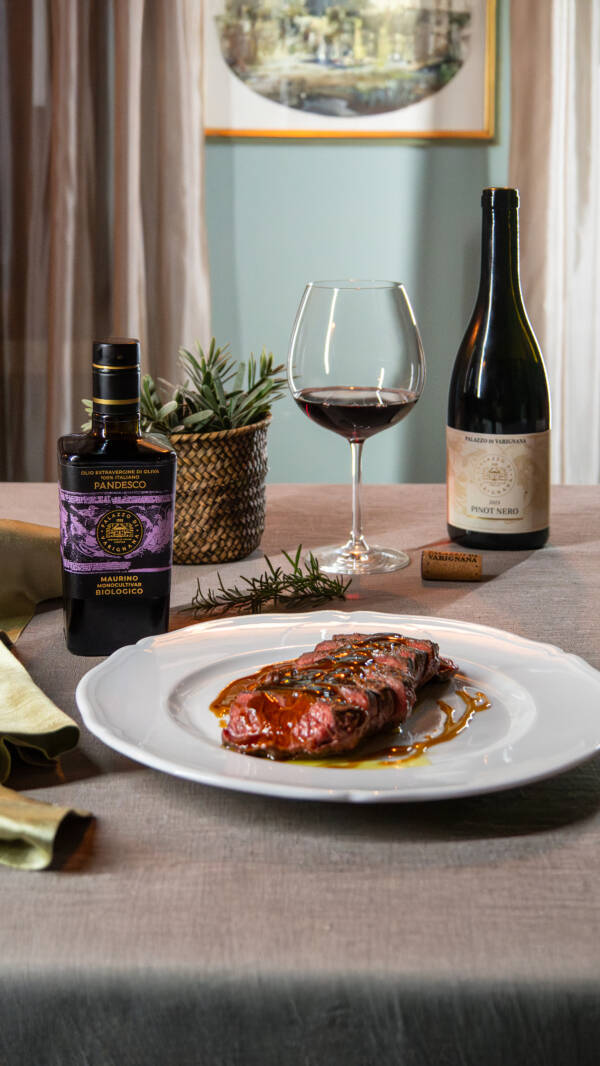
Most people assume that recreating a restaurant-quality beef dish at home requires professional equipment, years of culinary training, or access to ingredients that simply aren’t available outside a commercial kitchen. They’re wrong and this recipe is the proof. What it actually requires is a premium extra virgin olive oil, a wine that deserves the occasion, and one technique that professional chefs have quietly relied on for decades: slow oil-bath cooking.
This guide covers everything from selecting your cut of beef to pouring the final drizzle on the plate, with a wine pairing that will make the whole meal feel intentional rather than assembled. If you’ve ever wanted to host a dinner party that people talk about long after the plates have been cleared, this is the place to start.
Oil-bath cooking (sometimes called oil-poaching or oil-immersion sous vide) works because fat conducts heat gently and evenly, in a way that water simply cannot replicate. When high-quality extra virgin olive oil surrounds a beef cut at a precise, sustained temperature, it doesn’t just cook the meat: it carries the aromatics deep into the fibres, keeps the interior moist, and builds a flavour complexity that conventional cooking strips away.
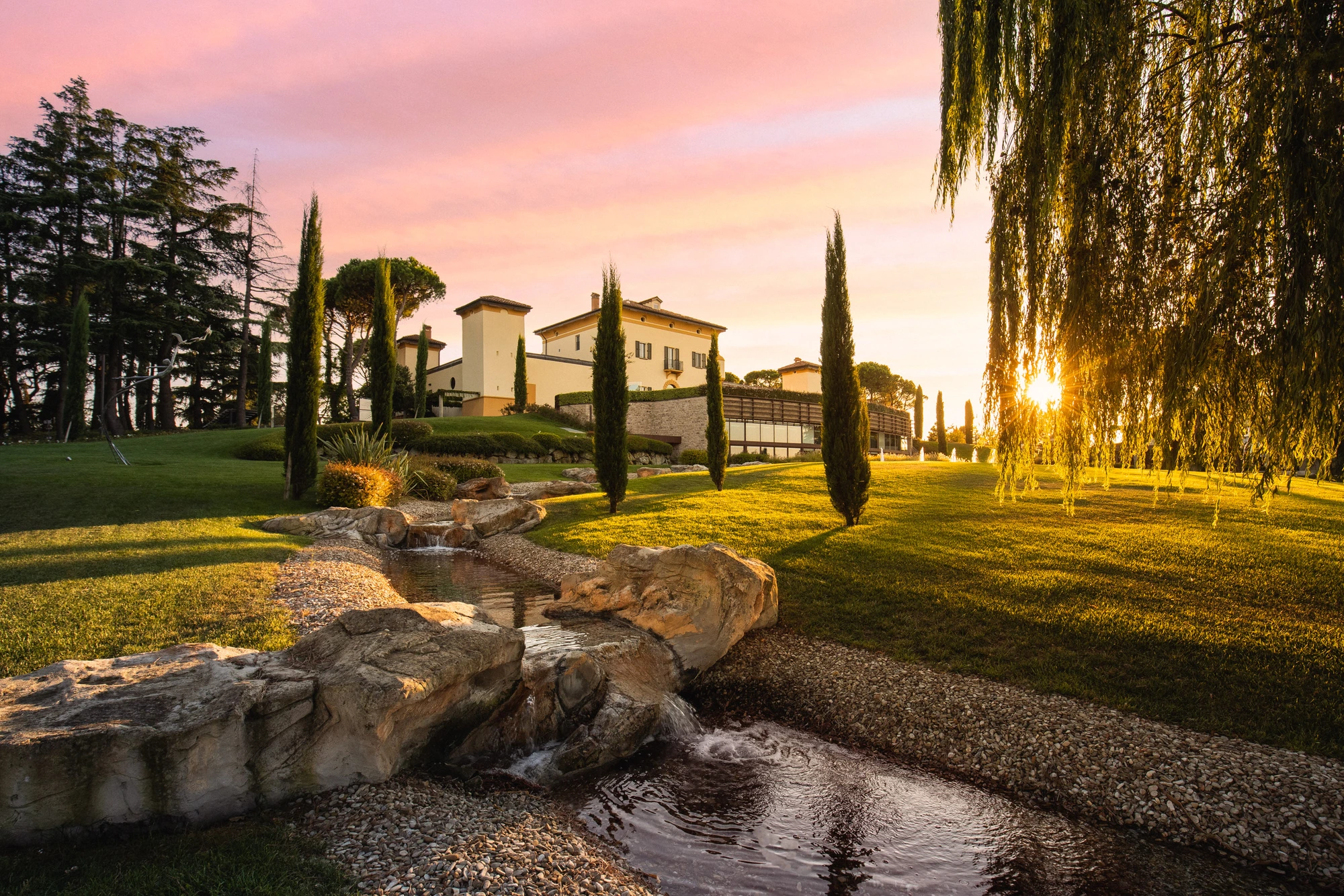
The oil you use matters enormously here. A mass-produced oil will cook the beef competently. A cold-pressed, single-estate organic extra virgin olive oil, one with actual fruitiness, bitterness, and peppery finish, will transform it. We use the Palazzo di Varignana Pandesco Bio Extra Virgin Olive Oil for this recipe because its aromatic profile is distinctive enough to genuinely change the taste of the finished dish. It carries Municipal Designation of Origin (De.Co.) recognition from the City of Bologna, is pressed from ancient olive varieties cultivated across the 700-hectare Bolognese estate, and brings a golden, fruity character to the oil bath that you can taste in every slice.
For oil-bath cooking at low temperature, the two cuts that perform best are the cuberoll (also called ribeye roast or entrecote) and the striploin. The cuberoll has more intramuscular fat, which means it stays juicier through the long cook and develops a richer mouthfeel. The striploin is leaner and more uniform, with a cleaner flavour and a firmer texture after searing.
Both work exceptionally well with this method. Choose the cuberoll if your guests favour richness and depth; choose the striploin if the preference runs toward a cleaner, more refined plate. Either way, buy the best quality available to you and the slow cook will amplify every quality the meat already has.
A beef dish cooked this slowly and gently needs a wine with structural elegance rather than brute tannin. You want something that mirrors the richness without fighting it, it should be a wine with silky texture, dark fruit, and enough complexity to hold the palate between bites.
The Palazzo di Varignana Pinot Nero is our pairing recommendation for this recipe, and it’s one we keep returning to. It’s a single-variety red from the Bolognese hills, grown in a mosaic of blue clay and yellow sandy soils, aged in French oak to build layers of violet, ripe dark fruit, rose petal, and gentle spice. It has the velvety texture and structural balance that slow-cooked beef calls for and is assertive enough to stand alongside the richness of the oil bath, refined enough not to overpower it.
Serve it at 16–18°C. Open the bottle 20–30 minutes before you plan to pour, and let it breathe in the glass before your guests drink. The wine rewards patience, which is fitting for a recipe that does the same.
The food is only part of what makes a dinner party memorable. The atmosphere you build around it matters just as much. Cloth napkins, proper glassware, a low centrepiece that doesn’t interrupt conversation, candles rather than overhead lighting are all signals to your guests that this evening has been thought about and prepared with care.
Space the courses out properly. Let the starter breathe, allow a natural pause before the beef arrives at the table, and don’t rush the wine. A home dinner party has one advantage over any restaurant: the pace is entirely yours to set.
A zip-lock freezer bag with the air pressed out manually will work for this method. Submerge the bag in the water up to (but not past) the seal to help push out remaining air before closing. It is not as precise as a vacuum seal, but the results are very close.
Serve the Palazzo di Varignana Pinot Nero at 16–18°C. If your bottle has been stored at room temperature, 15 minutes in the fridge before opening is usually enough. If it has been in a cool cellar, it may need a few minutes to warm slightly.
You can use any extra virgin olive oil for the oil bath, but the flavour contribution of the oil is significant enough that the quality genuinely shows in the finished dish. A high-quality single-estate oil like the Pandesco Bio will produce a noticeably different result to a generic supermarket oil.
After the initial slow cook and ice-bath chill, the beef can be kept sealed in the refrigerator for up to 48 hours before the regeneration and sear stage. This makes it an excellent dish for entertaining because the time-consuming part is done well ahead, leaving only a quick sear before service.
Both the Palazzo di Varignana Pandesco Bio Extra Virgin Olive Oil and the Pinot Nero are available to order. They are the two ingredients in this recipe that make the most tangible difference to the finished result.