Your cart

Your cart is empty


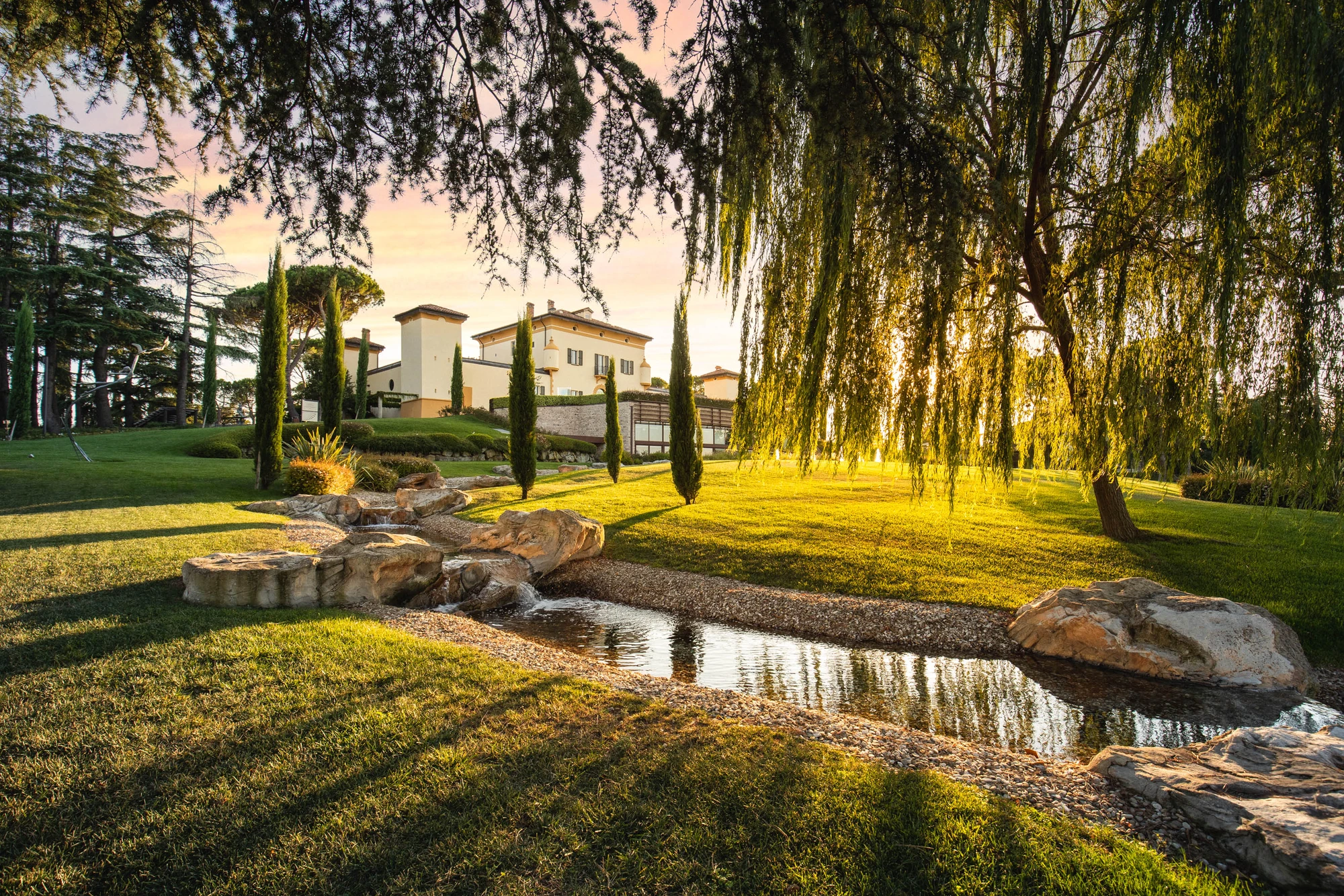
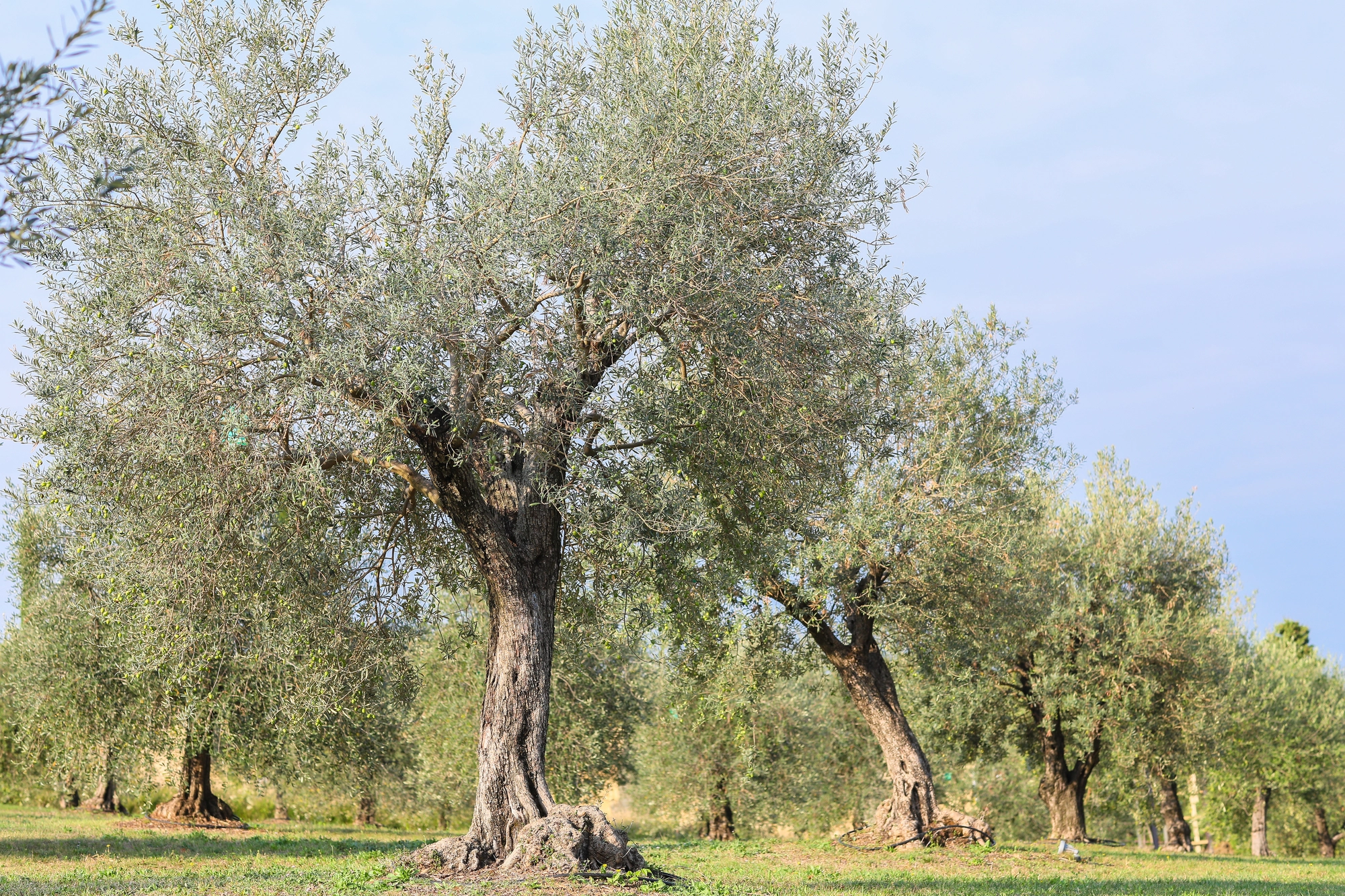
The Palazzo di Varignana farm will inaugurate its olive mill in November 2023: 300 square meters of production site surrounded by the more than 195,000 olive trees on the property.
The oil mill is the place where olives destined for the production of extra virgin olive oil are brought and in which all processing takes place. The proximity of the oil mill to the olive groves allows us immediate milling of the harvest and the possibility of having an integrated supply chain in one place, managed and organized by our staff who lovingly devote themselves every day to the care of the Varignana area.
The milling is a fundamental phase of production, which is carried out by us in a continuous two-phase cycle, with a modern plant equipped with systems with reduced oxidative impact at low processing temperature in order to be able to process each variety of olive at the specific temperature enhancing its fruitiness or to control and modify the amount of polyphenols and therefore the intensity of bitterness and/or spiciness.
Starting in 2015, an ambitious agronomic project began to redevelop the landscape by bringing large portions of uncultivated land and ancient native cultivars back into activity. Today we boast the largest olive grove in all of Emilia-Romagna, spanning more than 265 hectares of farms.
Our love and respect for the land have led us to choose the most representative cultivars of Emilia-Romagna, such as Ghiacciola and Nostrana. These, together with the Frantoio and Leccino varieties, make up about half of the oil crops. The other half of the olive groves contain cultivars from central Italy, such as Maurino and Leccio del Corno.
This gives rise to a collection of extra virgin oils that is renewed every year: five monocultivars - Brisighella D.O.P, Claterna Bio, Vargnano, Pandesco Bio e Stiffonte - and two blends. Our Oils stand out for their great complexity, aromatic and taste balance, products of excellence from an integrated km0 supply chain that tell a love story with nature.
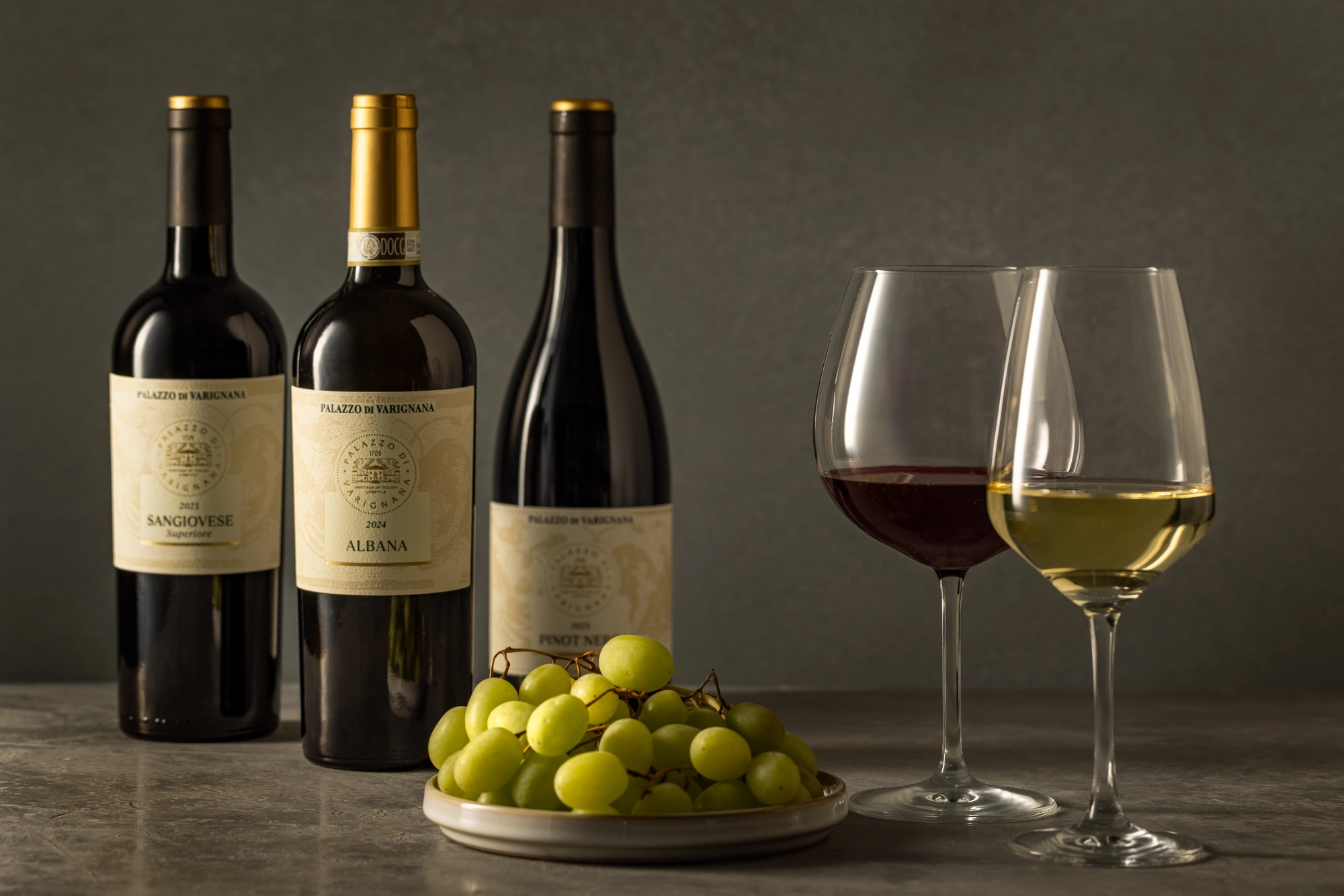
The story of the Agrivar winery's oenological project in Palazzo di Varignana took its first steps in 2016 with the planting of some native and other international vines for an initial production of five types of wine, white wine and red wine: Villa Amagioia Blanc de Noirs Metodo Classico Brut, Villa Amagioia Blanc de Blancs Metodo Classico Brut, Chardonnay Colli di Imola, Sangiovese Superiore Doc and Pinot Nero.
The contamination of native and international vines generates an extraordinary value to our vines and wines. The population of such diverse vines dedicated in distinct plots generates our Valley of Miracles. The microclimatic conditions, the Mediterranean influences offset by a continental terrain, the north-south orientation of the valley and the east-west orientation of the vines are the perfect combination to give sun and warmth to the vineyards and to generate excellent wines.
The mission of Agrivar di Palazzo di Varignana is to produce quality Italian wines that convey the strength, identity and characteristics of the Italian territory. The estate and the cellar from which the wines are sourced are located on the very special Varignana hills, a few kilometres from Bologna, delivering characteristic aromas, flavours and nuances.
For production, we make use of the most modern technologies, so as to guarantee the preservation of the genuineness and organoleptic properties of the wines. The barrique cellar, under its imposing red brick vaults, houses the French oak barrels in which the young wines rest and refine in order to reach the right degree of maturity and become the best expression of the terroir and the vines that generated it.
All these particularities: a reasoned and non-fractionated supply chain, multi-ethnicity, the uniqueness of the soils and state-of-the-art technology represent the distinctive requirements that make the Agrivar winery and the work of the people who transform the product excellent, because making wine is a cultural approach.